Discover Sora Omakase
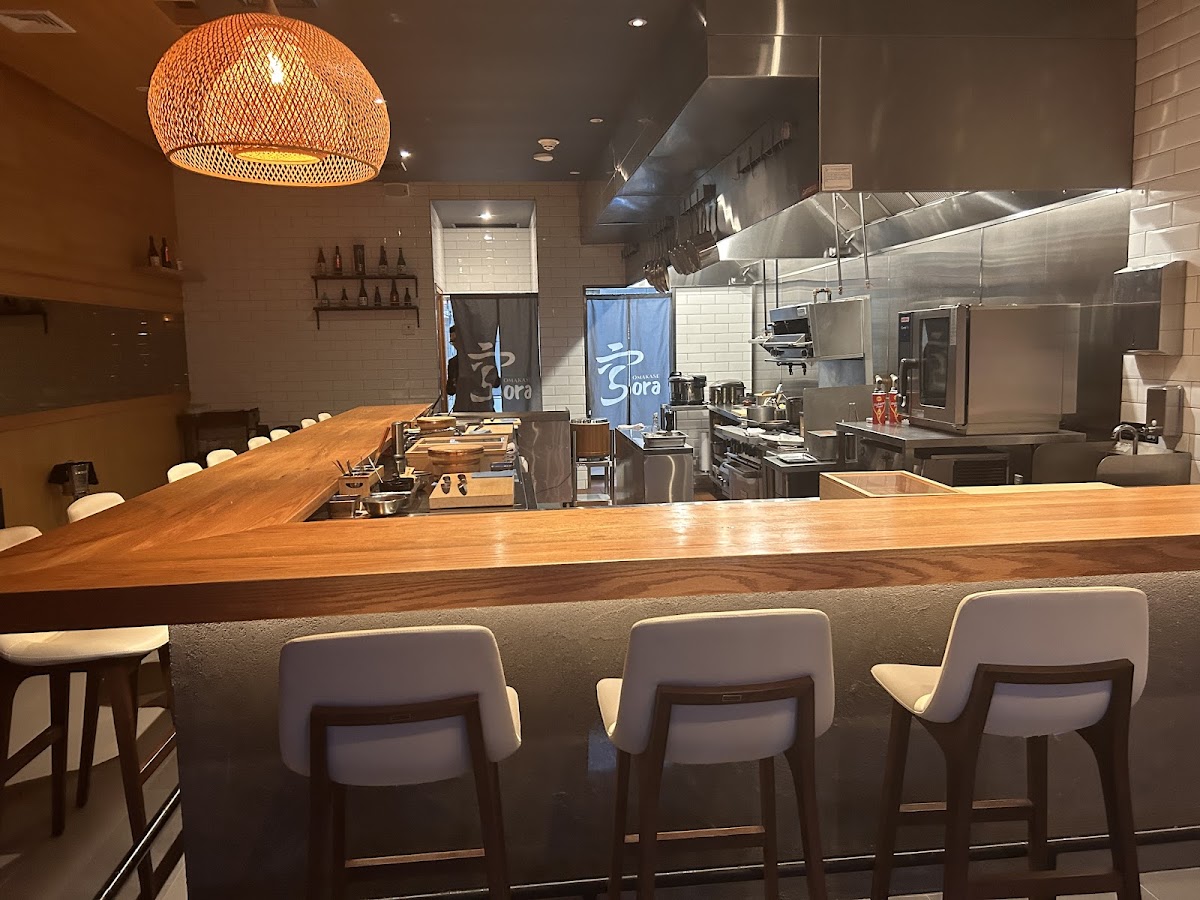
Walking into Sora Omakase feels like stepping into a calm pocket of precision and warmth tucked away in Stony Brook. The location at 1113 NY-25A unit 3e, Stony Brook, NY 11790, United States doesn’t scream for attention from the outside, but once you’re inside, everything slows down in the best way possible. The lights are soft, the counter seating pulls you close to the action, and the entire experience is centered around trust-trust in the chef, the ingredients, and the process.
I’ve sat at many omakase counters over the years, from Manhattan staples to small suburban gems, and what stood out here was the pacing. Nothing felt rushed or dragged out. Each course arrived with purpose, often accompanied by a brief explanation that didn’t feel rehearsed. One evening, the chef explained how the fish delivery changes based on weather patterns and market availability, something also noted by the Japan External Trade Organization, which reports that over 70% of high-end sushi bars in the U.S. rely on seasonal imports from Toyosu Market. You taste that difference immediately in the clean sweetness of the fish.
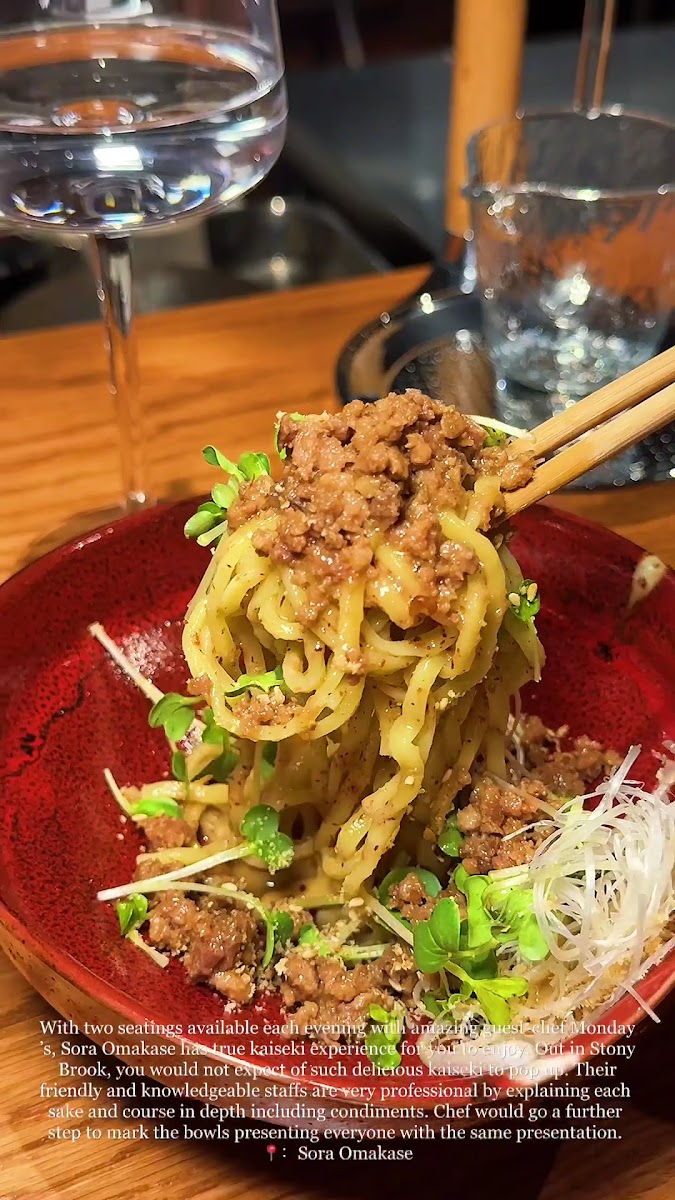
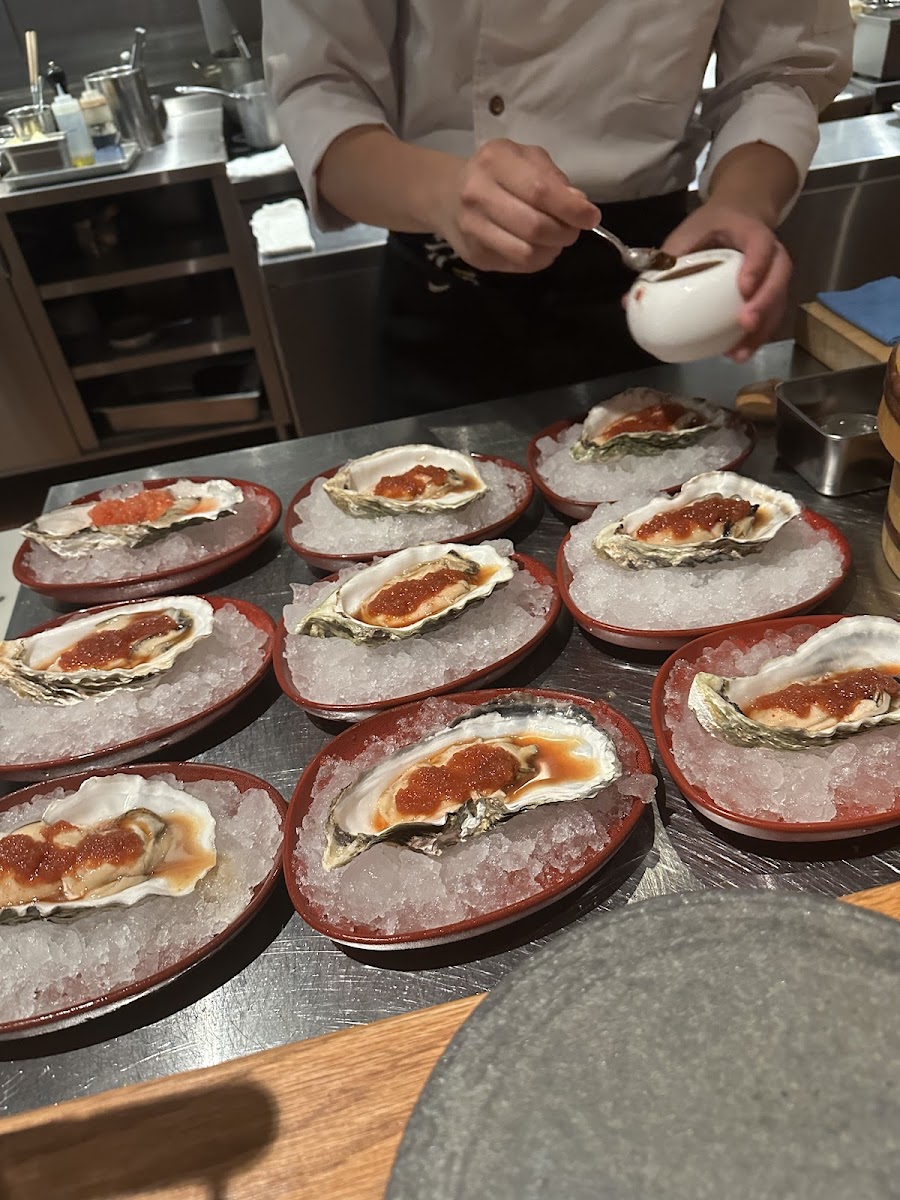
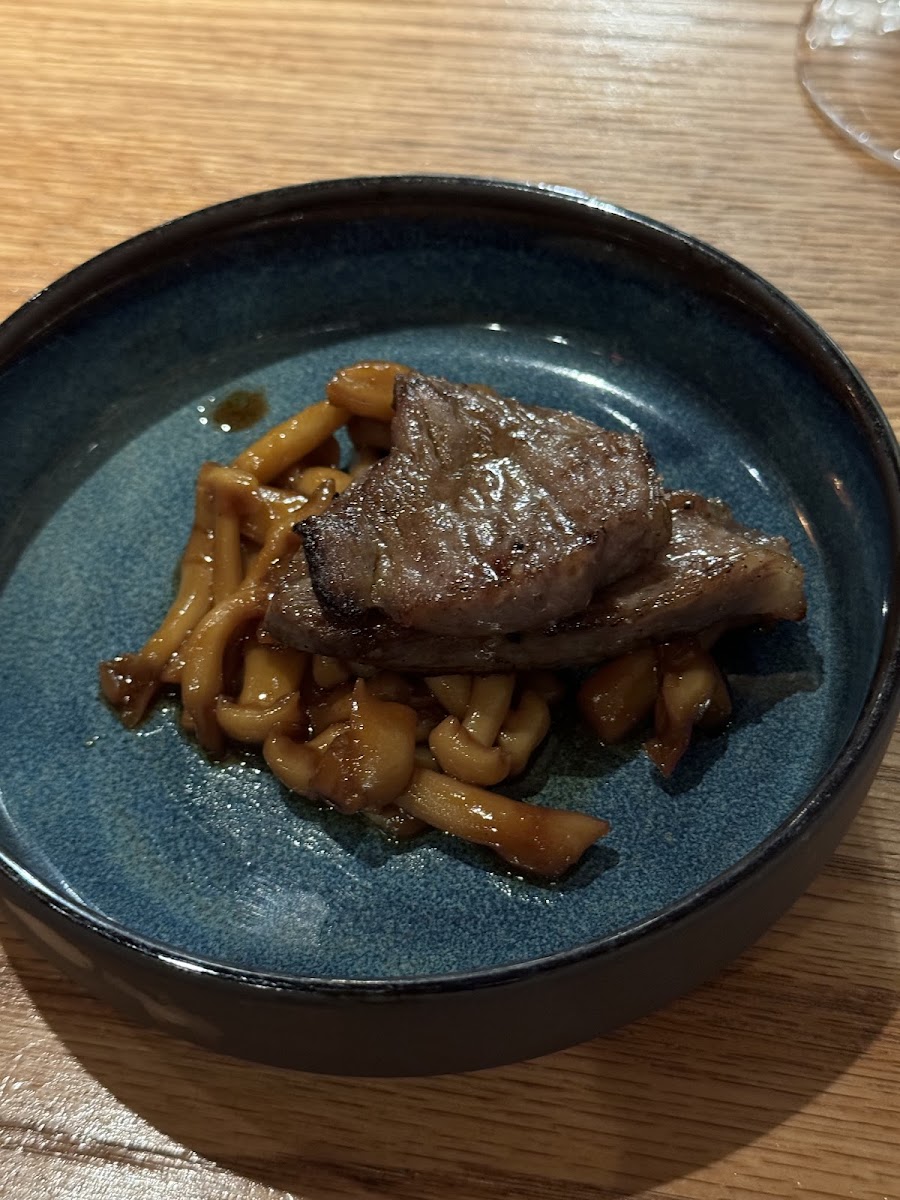
The menu follows a seasonal omakase format, meaning you’re not choosing individual items but instead letting the kitchen guide you through a progression of flavors. That might sound intimidating if you’re new to this style of dining, but the staff does a solid job making it approachable. If you mention preferences or allergies, they adapt without making it awkward. During one visit, a guest next to me avoided shellfish, and the substitution courses were just as thoughtful as the originals.
What really defines the experience is the chef’s counter setup. Sitting there, you can watch the rice being seasoned in small batches, adjusted subtly depending on the fish. According to research published by the Journal of Culinary Science & Technology, rice temperature and vinegar balance can alter perceived flavor by up to 20%. That attention to detail shows here. The rice is warm, slightly tangy, and never overpowers the topping.
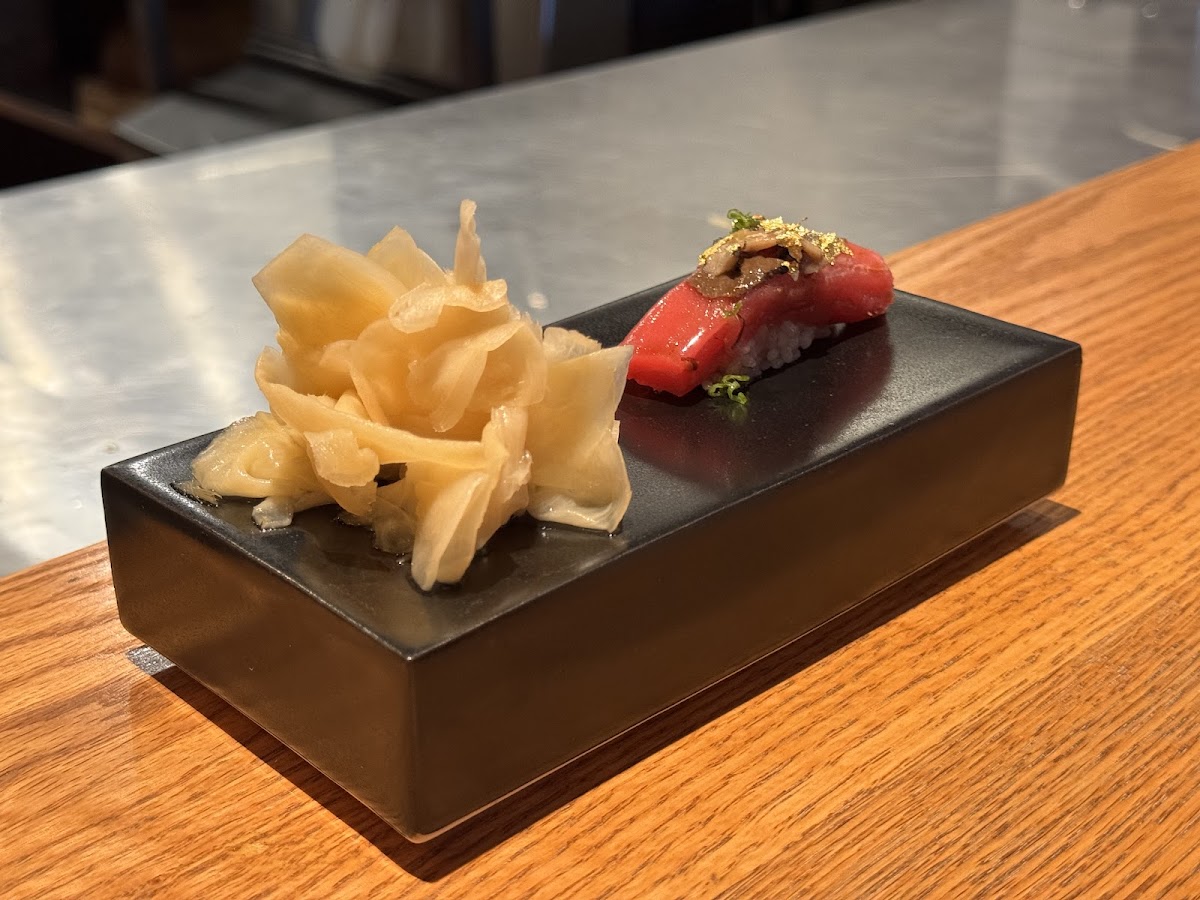
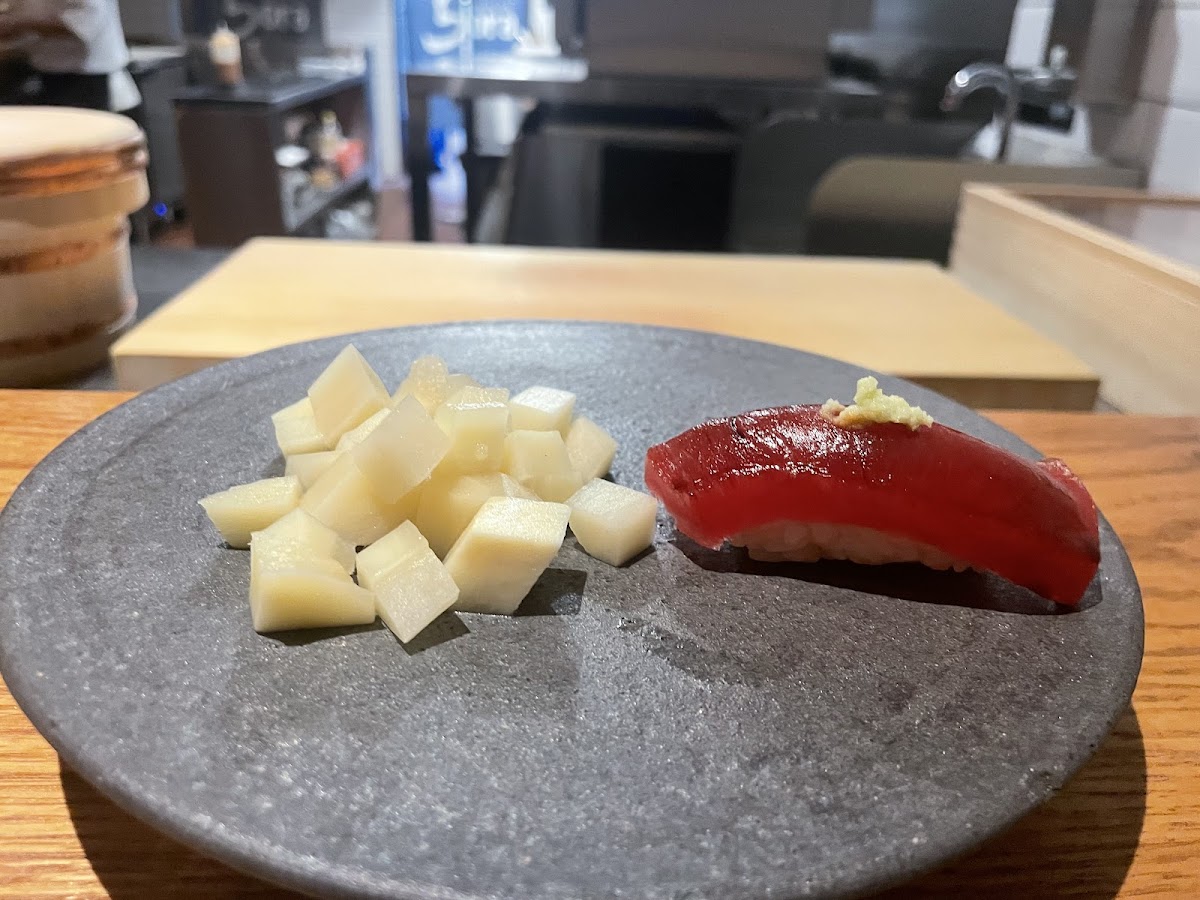
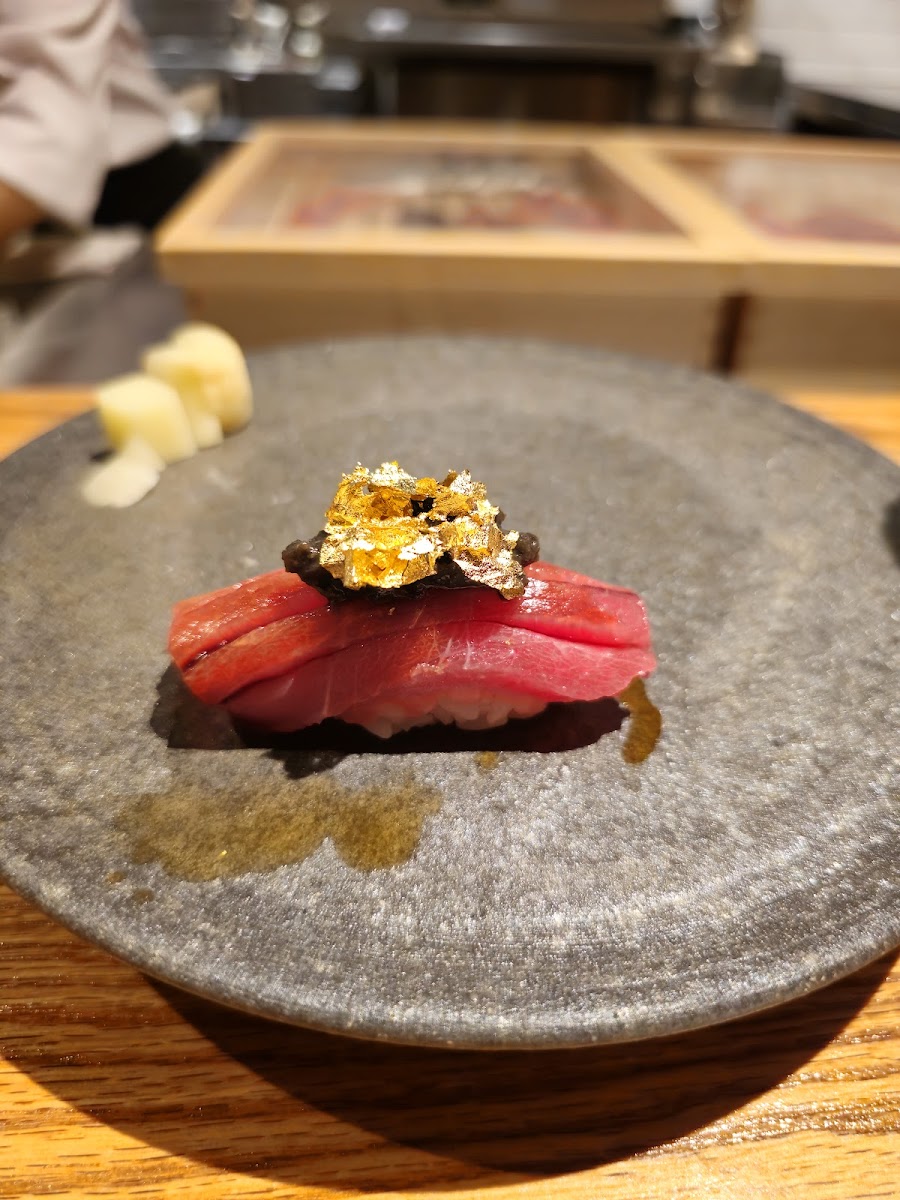
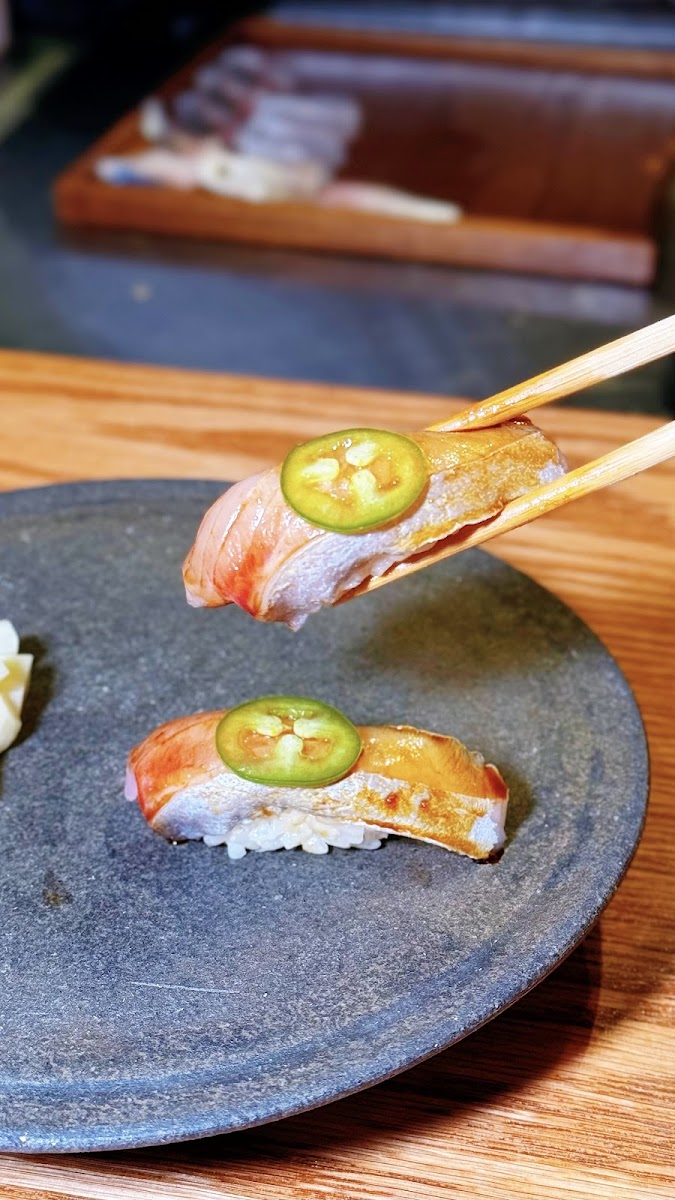
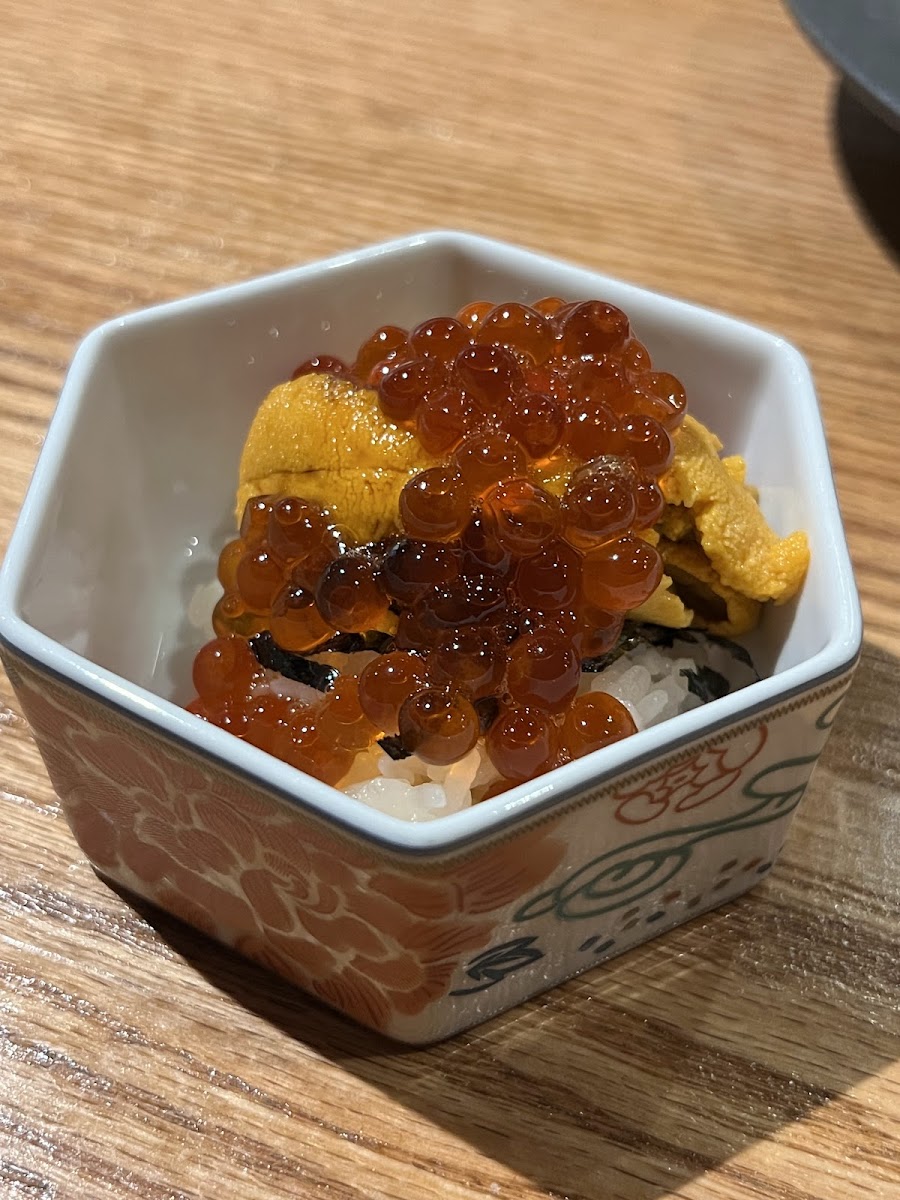
Reviews around town often mention the balance between traditional technique and modern creativity, and that’s accurate. You’ll see classic cuts like otoro and akami, but also less common selections prepared with quiet confidence. One course featured lightly torched fish finished with a citrus zest, a small touch that lifted the entire bite without distracting from the core flavors.
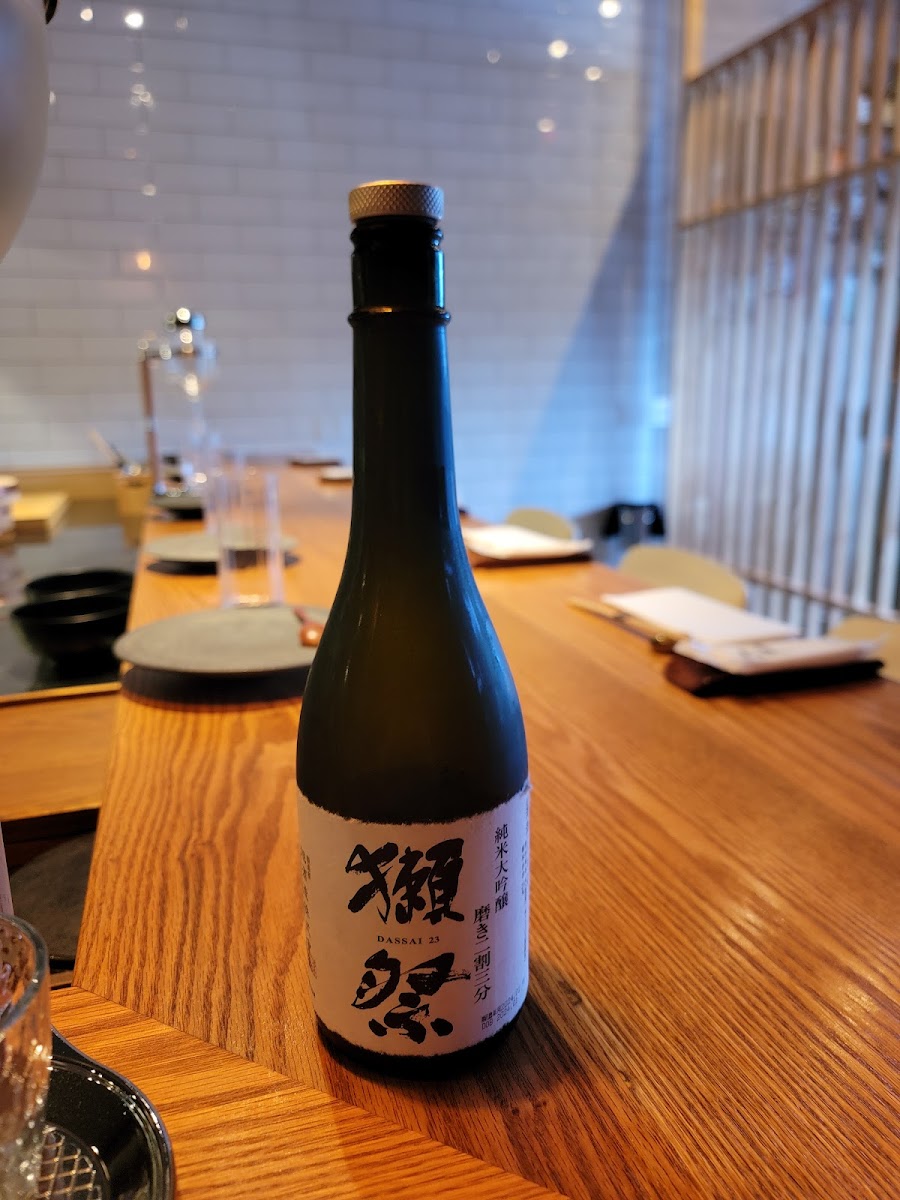
The beverage options are curated to match the food rather than overwhelm it. A short sake list focuses on clean, food-friendly profiles, and the staff can explain the differences without turning it into a lecture. The Sushi Association of America often emphasizes education as a key factor in expanding appreciation for authentic sushi, and that philosophy seems to guide the service here.
In terms of atmosphere, it’s intimate without feeling stiff. Conversations flow easily, and the staff reads the room well. If you’re celebrating something, they acknowledge it; if you’re there for a quiet night, they respect that too. One limitation worth noting is seating-because it’s a small space, reservations are essential, especially on weekends.
Among local locations offering Japanese cuisine, this spot stands out for consistency. That’s something longtime diners value, and consistency is often cited by Michelin inspectors as a core marker of quality, even for restaurants outside major city centers. While it hasn’t been formally rated, the discipline is there.
For anyone curious about omakase but hesitant to dive into the scene in a big city, this restaurant offers a grounded, confident introduction. It’s not about spectacle; it’s about craft, care, and letting great ingredients speak for themselves.